Nuisances
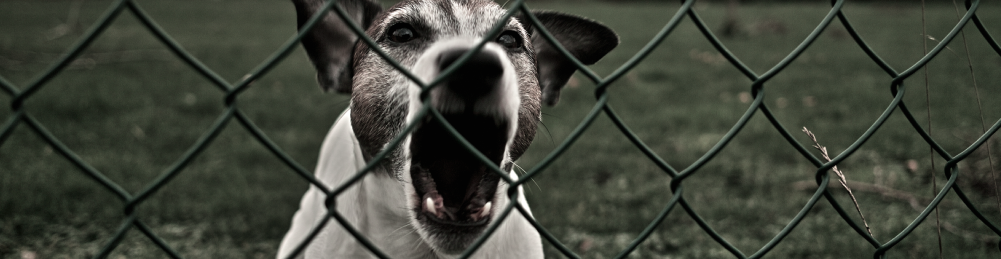
Neighbourhood nuisances can affect the comfort, health and wellbeing of people living in the community. Council is responsible for investigating and regulating certain nuisances under the Environmental Protection Regulation 2008 and through its local laws.
Explore the information below to learn more about common neighbourhood nuisances, council's role, and how to report an issue.
Need more information?
For assistance or enquiries about neighbourhood nuisances, please contact council.
Biting insects
Sandflies
Sandflies (genus Culicoides sometimes referred to as biting midges) can be considered a nuisance. Sandflies do not carry any pathogens in Australia that cause human disease.
Sandflies are most active in the evening and early morning in areas of mangroves or estuarine areas with sandy beaches. Residents within 400 metres of the breeding area can be exposed to them.
Personal protection and avoidance measures can offer protection from bites. Relief from sandfly attack may be achieved by applying insect repellents to skin and clothing.
Mosquitoes
Mosquitoes are more than just a nuisance. They can impact outdoor activities and, in some cases, spread diseases such as dengue fever.
Light
Light can cause a nuisance to neighbours and interfere with their normal daily activities. If severe enough, it can affect their health.
Find out more: Light Nuisance(PDF, 1MB)
Noise
Unwanted noise can negatively affect a person's health and well being. Not only can it cause hearing loss, but it may affect people through annoyance, sleep interference, stress, loss of productivity and a general reduction in the quality of life.
The actual loudness, including the frequency, tone and vibrations of a sound may only be one component of the effect on people. Other considerations for time and place, duration, source of the sound and whether the listener has any control over it, should be made.
The most common noise nuisances are:
- Barking dog
- Pool pumps and spas
- Regulated devices around the home such as lawn mowers
- Air-conditioning
For more information, check council's fact sheets on:
Music or Party Noise
Music and/or party noise is regulated by the local police and should be contacted in either instance.
Smoke
Smoke and particles from open-air fires can cause a nuisance to neighbours and interfere with their normal daily activities. If severe enough, it not only causes inconvenience, but can also be detrimental to people’s health.
Find out more:Nuisance Smoke(PDF, 448KB)
Possums

Brushtail possums are one of the most common native animals in Queensland's cities and towns.
They are nocturnal marsupials which usually shelter in the hollows of trees during the day, however we have all probably heard a possum thumping across corrugated iron roofs or sheltering in the ceiling.
When this happens they may cause concern to the human residents.
Brushtail possums act as a house inspector and only gain access to roof cavities that are in disrepair or have unfinished work.
The most effective way of keeping a possum out of your ceiling is to ensure that they cannot gain access in the first place.
By taking a few simple steps you can ensure that you don’t come into conflict with the brushtail possum and will be able to enjoy a link with a beautiful member of Australia’s native wildlife.
If a possum has already taken up residence in your roof, following are some simple steps that may encourage the unwelcome visitor to ‘find a new home’.
- Locate the entry points where the possum is gaining access into your roof cavity.
- If you are unsure where the possum is gaining access, place some loose wads of newspaper into any suspected entry points.
- After dark the possum will push out the paper to leave for a night of foraging.
- Block all access points except for one - this should preferably be the main entry.
- Wait until the animal has left the roof cavity (This is usually between 8:00pm and 10:00pm) and securely place something over the access.
- A wooden patch or chicken wire nailed over the entry would suffice.
- Possums don’t like the smell of moth balls so scatter some small hessian bags of moth balls into the ceiling space.
- Possums mark the entries to their dens with their scent glands. If you don’t destroy the scent they will try to re-enter the ceiling space. Liberally splash any entry points with a strong smelling substance such as disinfectant. The strong smell which possums find repugnant will deter the possum from trying to re-enter and also cover the scent.
- Try to provide alternative housing for the possum in a nearby tree. Wooden hanging nest boxes can be built or purchased.
Remember
- Catching possums yourself and relocating them is illegal. Possums are protected native animals.
- A permit is required for their removal. The permits are issued by the Department of Environment and Heritage Protection.
- A possum cannot be relocated more than 25 metres from the capture site. They are territorial and if they are moved further than this it is likely that they will impinge on another possum’s territory and run the risk of being killed.
- If you are unsuccessful in encouraging a possum to find a new home in your garden instead of your roof, you may need to contact a Pest Control company who is licensed to remove and relocate the possum.
For further information on brushtail possums and Damage Mitigation Permits please visit the Department of Environment and Heritage Protection (EHP) website at www.ehp.qld.gov.au.
Untidy Properties

An untidy property can include any vacant land, residential, or commercial property determined by a council officer as untidy or unsightly.
An untidy property may have building materials, waste materials, debris, scrap, rubbish, or other materials or objects that have been allowed to accumulate in an unsightly manner.
For further information, check council's fact sheet on Untidy Property.(PDF, 2MB)
Overgrown Property
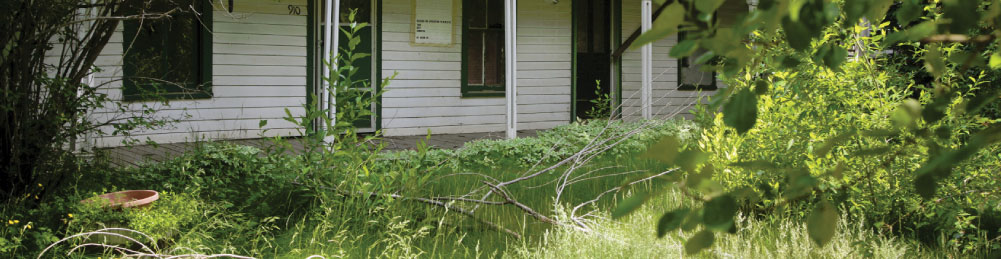
An overgrown property may be vacant, residential or commercial land which in the opinion of an authorised council officer may be:
- Likely to be a breeding place or harbouring of vermin because of grass, weeds, plants or other vegetable growth in large quantities
- A fire hazard
For further information, download council's fact sheet on Overgrown Property.(PDF, 2MB)
Forms
Neighbourhood disputes
Neighbourhood dispute resolution tool
To help residents understand the most appropriate and effective next step for their situation, the Queensland Government provides an online neighbourhood dispute resolution tool, which guides users through available options, including self-resolution and other support services.